Key Takeaways
- Conjunctivitis and allergy-related eye irritation can look similar, but they have different causes and treatments, making proper diagnosis essential.
- Certain symptoms, such as discharge, itching, or redness patterns, help distinguish pink eye vs allergies.
- Treatment depends on whether symptoms are caused by infection, inflammation, or environmental allergens.
- Home care can ease mild eye irritation, but persistent or worsening symptoms require professional evaluation.
- Everett & Hurite Eyecare Specialists offers comprehensive eye exams and targeted eye irritation treatment across Pittsburgh and the surrounding areas. Schedule an appointment to receive expert care from experienced eye specialists.
Understanding the Difference: Conjunctivitis vs. Allergies
What Is Conjunctivitis?
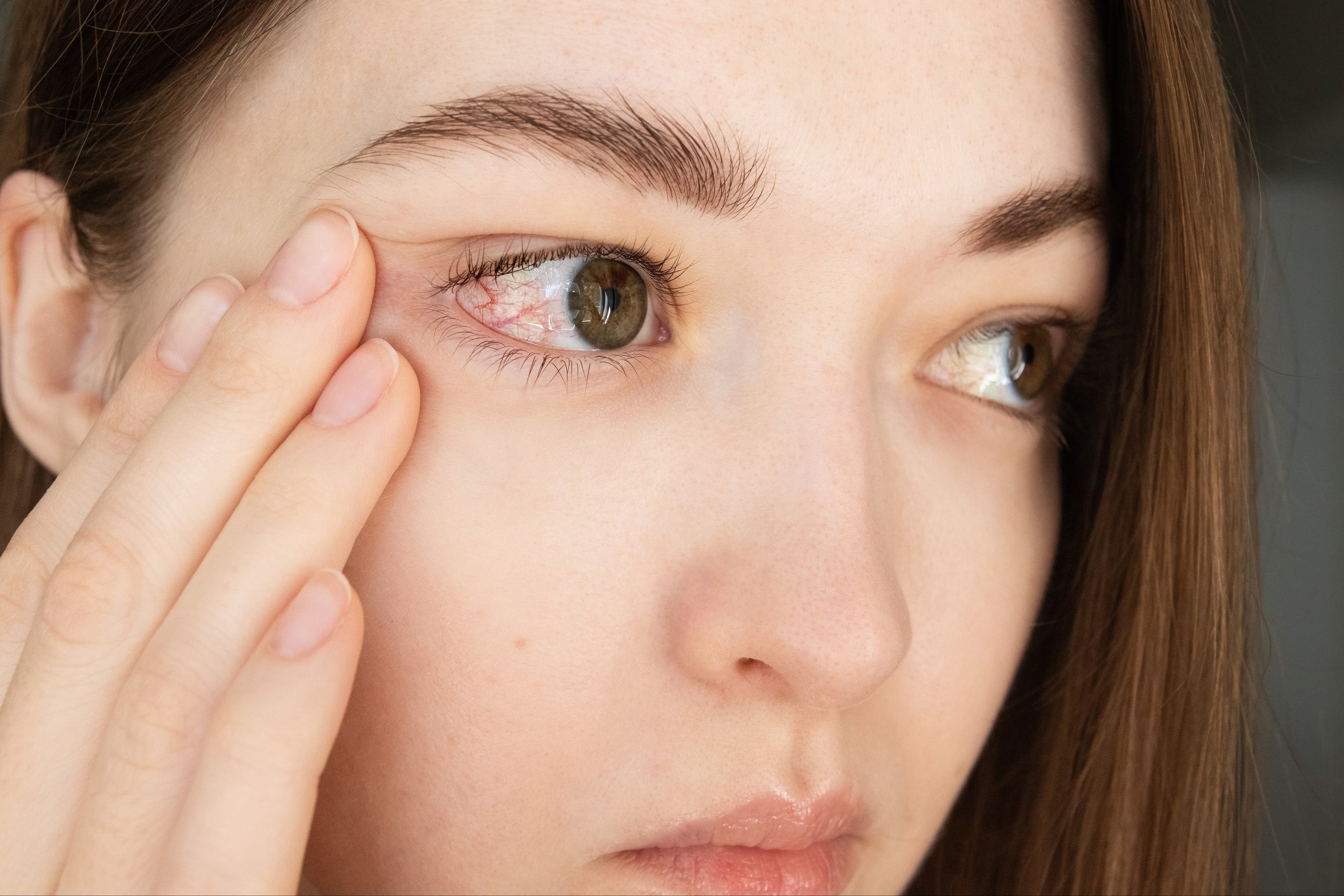
Conjunctivitis, often called pink eye, is inflammation of the conjunctiva, the thin membrane covering the white of the eye and inner eyelid. It can be caused by infection or irritation and may affect one or both eyes.
Common causes include:
- Bacterial infections
- Viral infections
- Irritants such as smoke or chemicals
Some forms of conjunctivitis are contagious, making early diagnosis important.
What Is Allergy-Related Eye Irritation?
Allergy-related eye irritation occurs when the eyes react to allergens such as pollen, dust mites, pet dander, or mold. The immune system releases histamines, leading to inflammation and discomfort. This condition is not contagious and often occurs seasonally or in response to specific triggers.
Key Differences Between Conjunctivitis and Allergies
The table below highlights common differences that help distinguish eye allergy or conjunctivitis:
| Feature | Conjunctivitis | Allergy-Related Eye Irritation |
|---|---|---|
| Contagious | Sometimes | No |
| Discharge | Thick or watery discharge | Clear, watery tears |
| Itching | Mild to moderate | Intense itching |
| Eye involvement | Often starts in one eye | Usually affects both eyes |
| Associated symptoms | Crusting, redness | Sneezing, nasal congestion |
Recognizing these differences can guide next steps, but an eye exam is often the most reliable way to confirm the cause.
Symptoms Unique to Each Condition
Symptoms of Conjunctivitis
- Redness in the white of the eye
- Sticky or crusty discharge, especially after sleep
- Gritty or burning sensation
- Sensitivity to light
Symptoms of Allergy-Related Eye Irritation
- Persistent itching
- Watery eyes without thick discharge
- Swelling around the eyes
- Symptoms that worsen during allergy seasons
Because symptoms can overlap, professional evaluation ensures accurate diagnosis and appropriate treatment.
Treatment Options for Conjunctivitis vs. Allergies
Treating Conjunctivitis
Treatment depends on the underlying cause. An eye specialist may recommend:
- Prescription eye drops or ointments for bacterial conjunctivitis
- Supportive care and monitoring for viral conjunctivitis
- Evaluation to rule out other eye conditions
Prompt care helps reduce discomfort and lowers the risk of spreading contagious forms.
Treating Allergy-Related Eye Irritation
For allergies, treatment focuses on reducing inflammation and exposure to allergens. Care options may include:
- Medicated eye drops to control allergic reactions
- Guidance on managing environmental triggers
- Ongoing monitoring during peak allergy seasons
Everett & Hurite Eyecare Specialists tailor treatment plans based on each patient’s symptoms and eye health needs, ensuring safe and effective care.
How to Manage Eye Irritation at Home
For mild symptoms, home care can provide temporary relief:
- Avoid rubbing the eyes, which can worsen inflammation
- Use cool compresses to reduce redness and swelling
- Keep your hands clean to prevent introducing bacteria
- Limit exposure to known allergens when possible
If symptoms persist despite these measures, professional evaluation is recommended.
When to Consult an Eye Specialist
Certain symptoms signal the need for an eye exam near me:
- Severe redness or pain
- Changes in vision
- Thick discharge or swelling
- Symptoms lasting more than a few days
Comprehensive eye exams allow specialists to determine whether symptoms are caused by conjunctivitis, allergies, or another eye condition—and to provide targeted treatment.
When Redness, Itching, or Discharge Need Medical Attention
Persistent eye irritation can disrupt daily life and signal an underlying condition that needs attention. Proper diagnosis is the key to effective treatment, whether symptoms are caused by conjunctivitis or allergies.
If you’re experiencing ongoing redness, itching, or discharge, Everett & Hurite Eyecare Specialists provide thorough eye exams and personalized eye irritation treatment. Schedule an appointment today to receive expert care from trusted eye specialists serving Pittsburgh and nearby communities.
Frequently Asked Questions
What is the difference between pink eye and allergies?
Pink eye is inflammation of the conjunctiva that may be contagious, while allergies are an immune response to environmental triggers and are not contagious.
How do I know if my eye irritation is from allergies or conjunctivitis?
Itching and clear tearing usually suggest allergies, while discharge and crusting are more common with conjunctivitis. An eye exam provides a definitive diagnosis.
Can conjunctivitis go away on its own?
Some forms, especially viral conjunctivitis, may resolve with time. However, professional evaluation ensures proper care and prevents complications.
When should I see an eye specialist for eye irritation?
You should see an eye specialist if symptoms are severe, persistent, affect vision, or do not improve with basic home care.
Are eye exams necessary for mild symptoms?
Eye exams are recommended when symptoms are unclear or recurring, as they help identify the cause and guide appropriate treatment.
