Key Takeaways
- Many people rule themselves out as cornea donors because of age, eye color, or poor eyesight, but none of those are barriers to donation.
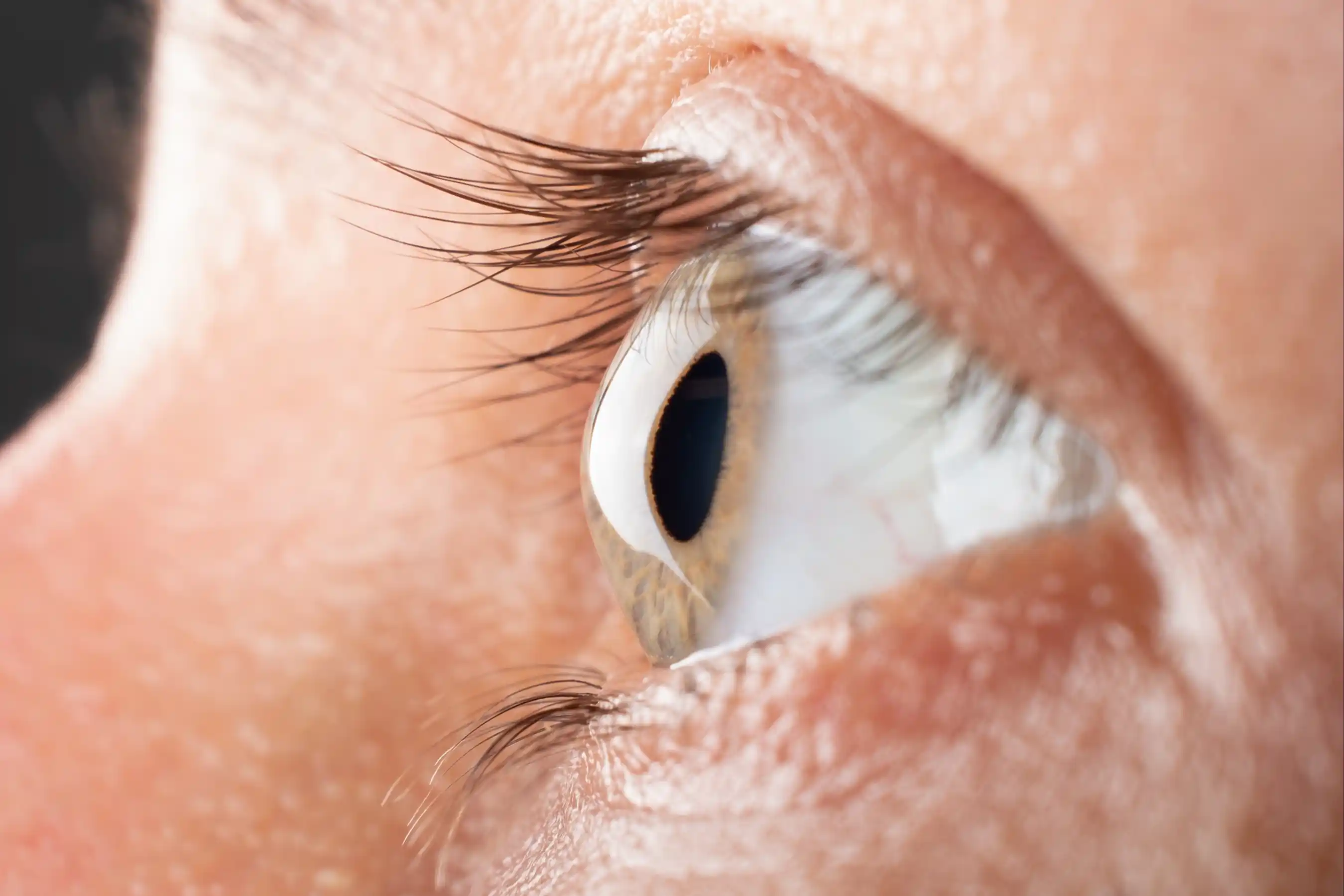
- Only the cornea, the clear front surface of the eye, is transplanted, so the whole eye is not donated.
- Eye donation does not delay funeral plans, does not prevent an open-casket viewing, and costs the donor's family nothing.
- Registering takes about a minute, and the eye bank reviews medical history at the time of donation.
- Everett & Hurite Eyecare Specialists supports eye donation each November and offers corneal care in Pittsburgh, and patients with vision concerns can request an appointment today.
Why Eye Donation Myths Matter
Corneal transplants depend entirely on donated tissue. Yet many suitable donors never register because of a myth they heard years ago. Eye Donation Month, observed each November by the Eye Bank Association of America (EBAA), is a good time to set the record straight. This guide from Everett & Hurite Eyecare Specialists separates common cornea donor myths from the facts, using information from the EBAA and the Center for Organ Recovery & Education (CORE).
Common Cornea Donor Myths and Facts at a Glance
| Common Myth | The Fact |
|---|---|
| 'I am too old to be a donor.' | Age does not matter for cornea donation. |
| 'My eyesight is poor, so my eyes are no use.' | The quality of your eyesight is not a factor. |
| 'My eye color matters.' | It does not matter what color your eyes are. |
| 'Donation will delay my funeral or prevent an open casket.' | Funeral plans, including a viewing, can go ahead as scheduled. |
| 'My family will have to pay.' | There is no fee to the donor's family. |
| 'My religion does not allow it.' | Eye donation is consistent with the beliefs of major religions. |
Who Can Be an Eye Donor?
The EBAA says anyone can be a donor. Corneal tissue is also special because everyone is a universal donor, meaning your blood type does not have to match the person who receives it.
Does Age Matter for Cornea Donation?
No. The EBAA states that it does not matter how old you are. CORE also notes that there is no set age limit for organ donation and that each potential donor is reviewed case by case at the time of death. People often assume they are 'too old' to register, but older adults can still give the gift of sight.
Do Eye Color and Vision Quality Matter?
No. Neither eye color nor how good your eyesight is affects whether you can donate. This surprises many people who wear glasses or contacts. A recipient also does not take on the donor's eye color, because the cornea is clear. It is the iris, a separate part of the eye, that holds the color.
What Medical Conditions Can Affect Eligibility?
Most people are suitable donors. The EBAA explains that aside from people with infections or a few highly communicable diseases, such as HIV or hepatitis, most people can donate. Eye banks review the donor's medical, family, and social history and examine the donated eyes before any tissue is used. According to CORE, few illnesses prevent someone from being a donor, and suitability is reviewed at the time of death.
This means you should not rule yourself out ahead of time. If you are unsure, register anyway and let the eye bank make that decision.
Does Eye Donation Affect Funeral Plans or Cost?
Families often worry about the practical side of donation. The EBAA addresses these concerns directly:
- Appearance: Great care is taken to preserve the donor's appearance, and a viewing can proceed as scheduled.
- Timing: Eye tissue is recovered within hours of death, so funeral arrangements do not need to be delayed.
- Cost: There is no fee for the donation, and any costs of recovery and preparation are absorbed by the eye bank placing the tissue.
- Beliefs: Eye, organ, and tissue donation are consistent with the beliefs of major religions.
CORE's list of donation myths and truths agrees that donation does not interfere with traditional funeral arrangements such as an open casket, and that donors' families are not responsible for any costs.
Is the Whole Eye Transplanted?
No. Despite the term 'eye donation,' only the cornea can be transplanted. The rest of the eye may be recovered for research or education, which helps scientists study conditions like glaucoma and diabetic eye disease.
For patients, the difference is life-changing. When a cornea becomes cloudy or scarred, light cannot reach the retina, and vision suffers. A healthy donated cornea can restore clear sight. Patients with advanced corneal disease, including some with keratoconus, may eventually need this surgery. Everett & Hurite offers keratoconus cross-linking to stabilize the cornea in many patients, and Dr. Hall McGee IV, a cornea and cataract specialist, has experience with corneal transplant techniques and serves as Medical Director of Eye Banking at CORE.
How Do You Register as a Cornea Donor?
Registering is quick. According to the EBAA's Eye Donation Month page, people can register online, through the iPhone Health app, or at the Department of Motor Vehicles (DMV). Then tell your family. The EBAA notes that next of kin take part in a medical and social history interview before donated tissue is used, so it helps for them to know your decision.
Make Your Choice This Eye Donation Month
Myths should not stand between a willing donor and someone waiting for sight. Everett & Hurite Eyecare Specialists is proud to support eye donation across the Pittsburgh region each November, and the facts show that far more people can give than often realize.
If you have questions about your own eye health, schedule an appointment with Everett & Hurite Eyecare Specialists to speak with a cornea-focused eye specialist in Pittsburgh, Warrendale, Greensburg, Southpointe, or another convenient location.
Frequently Asked Questions
Can you donate eyes after death if you wear glasses or contacts?
Yes. The EBAA states that the quality of your eyesight is not a factor in donation. Wearing glasses or contacts does not rule you out.
Who can be an eye donor?
Anyone can. Age, eye color, and eyesight do not decide eligibility. Eye banks review each donor's health history at the time of donation, and most people are suitable.
What is organ donation eligibility, and is eye donation different?
Eligibility is reviewed case by case at the time of death for both. CORE notes there is no set age limit for organ donation, and the EBAA says age is not a factor for corneas. Registering as an eye, organ, and tissue donor is a single quick step.
Does a cornea donor's family have to pay anything?
No. The EBAA states there is no fee for donation, and any costs of cornea recovery and preparation are absorbed by the eye bank.
Where can I find an eye specialist near me in Pittsburgh, PA?
Everett & Hurite Eyecare Specialists has offices in Pittsburgh, Warrendale, Butler, Greensburg, Southpointe, Monroeville, Steubenville, and Weirton. Patients can request an appointment online at the closest location.
